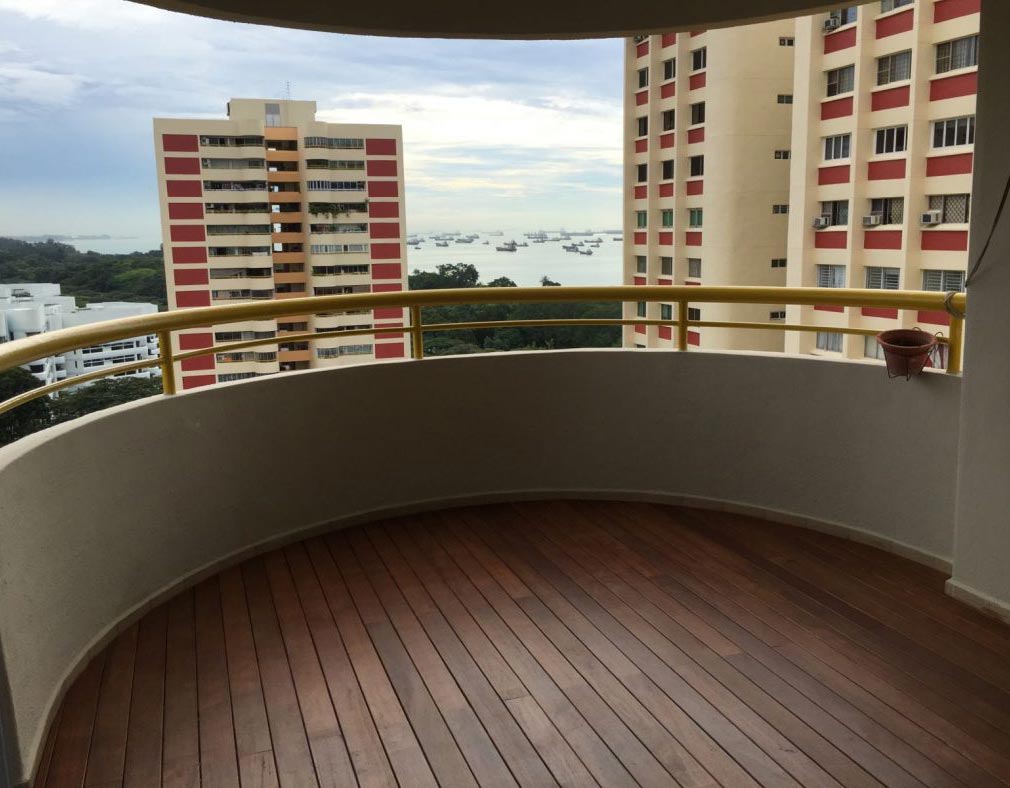
Perfect your Deck with Just the Right Stain

Depending on your DIYer mentality, the time to choose your deck’s wood stain could make you feel a combination of kid-in-the-candy-store giddy or just plain overwhelmed by the wealth of choices. Do you go transparent or semi-transparent? Sealer or sans-sealer? Water-based, oil-based or hybrid?
Step One: is this a brand-new deck or has it been previously stained? Brand-new decks in excellent condition often look great with transparent oil-based stains that let the beauty of the wood’s natural grain show through, preferably with moisture, mildew and wood rot protection from a stubborn oil-based sealer. You could go with a transparent stain here and still get a good look, but it won’t last nearly as long.
Suppose your deck has been stained at least once before – was it stained with a water-based stain or an oil-based? Remember, the two do not mix at all. Try it, and the stain likely won’t adhere or dry properly and probably be more likely to peel after an extra-tacky few days. Weathered decks a few years old that are showing their age deserve a solid oil or acrylic stain with plenty of pigmentation to cover up the imperfections, as well as provide extra damage protection. Look to the transparency level for a guide as to the stain’s expected longevity; true, a transparent stain is a showcase for the wood-grain, but the sun protection is minimal at best compared to the moderate protection of a semi-transparent that’s halfway between a transparent and solid product.
Think of it like sunscreen. Consider how much sun exposure your deck gets per day, not to mention other elements. How much yearly maintenance can you stand to protect your investment?
Next, it’s time to think about color. Deliberate this in terms of your deck’s age in three distinct “phases”, with color-matching rules that can be artfully bent or broken, IF you know what you’re doing….
- New Deck – Let it shine while it can. It’s fresh, unharmed and natural – let that beauty have the spotlight. “Clear coat” stains are the way to go. The natural color of the wood and its grain texture will come through accented by a very light pigment. What’s more your deck is young enough that it won’t be entirely frail to the elements yet and should do fine for a while with only minor protection.
- Young Deck – By this point, about three to six years will have gone by and your deck should be due for its next staining. This is a fine time to upgrade to a “semi-transparent” stain. The pigment is still light enough to highlight the gorgeous color and grain of the wood as opposed to painting over it or giving it a heavy stain, but there’s a bit more coloration to affect the deck’s overall look. Here, you can give it darker, redder, greyer or browner shades if you choose – you have worlds more options than clear-coating offers, many of them with the stronger sealants mature decks need.
Older Deck – Speaking of “maturity”, decks require some fortification after about 10 years of age. They’ve taken some beatings between foot traffic, the elements, age, pests and possibly mold, mildew or rot. The wood will be starting to really show its imperfections, making this a time for a highly protective heavier stain. Older decks often look fantastic with more distinguished rich, deep “solid stain” coats that hide wear and seal cracks. This is where color matters most, as the stain will go on like paint and maximize the protective sealant buying the structure some time.
Deprecated: get_woocommerce_term_meta is deprecated since version 3.6! Use get_term_meta instead. in /home/thefloor/public_html/test/wp-includes/functions.php on line 4719